Rusthack: A Quirky Display Font for Bold Campaigns
It was 9 a.m. on a Tuesday, and I was deep into finalizing the visuals for a product launch campaign. The client had a new line of handmade leather journals, and we needed a font that would stand out without overshadowing the product itself. That’s when I stumbled upon Rusthack, a display font with a unique personality that felt just right for this project.
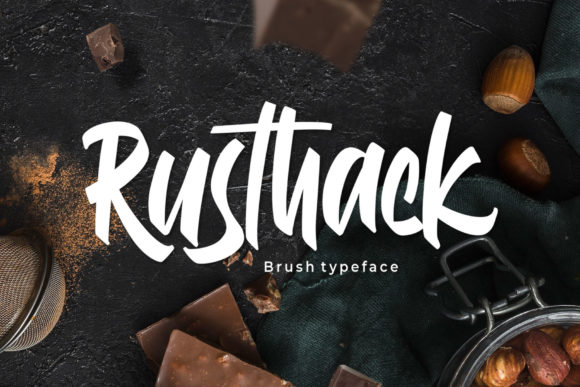
Rusthack is a display font that leans into its quirks. It has a slightly irregular, almost hand-crafted feel, which gives it a sense of authenticity and character. Its strokes are uneven in places, and some letters have a slight “rust” texture, making it visually interesting without being overwhelming. This makes it perfect for campaigns that want to convey a creative, artisanal, or unconventional vibe.
Testing Rusthack in Real Campaign Contexts
I started by applying Rusthack to the main headline of the product launch graphic. It immediately caught attention, especially when paired with a clean sans serif font for supporting text. The contrast between the two fonts helped guide the viewer’s eye from the bold headline to the more readable body copy.
Next, I tested it in a YouTube thumbnail. The title of the video was “Crafted with Care,” and Rusthack gave it a playful yet thoughtful tone. On mobile screens, where thumbnails are often small, the font still remained legible—something I wasn’t sure about at first. But the larger, bolder letters stood out well against the background, even in quick scrolls.
For Instagram posts, I used Rusthack in short callouts like “Made to Last” and “Handcrafted for You.” These phrases were displayed over images of the journals, and the font added a layer of warmth and approachability. The quirky style didn’t clash with the product’s aesthetic—it complemented it.
Where Rusthack Shines Best
Rusthack works best as a short headline, callout, or decorative title. It’s not suited for long blocks of text or dense information, but it excels in grabbing attention quickly. In a Pinterest campaign promoting the same product, I used Rusthack in pins titled “Why Choose Handmade?” and “The Art of Journaling.” Each pin featured a different visual, but the consistent use of Rusthack helped create a cohesive brand identity across the board.
In digital ads, I found that Rusthack performed well in banner headers, especially when paired with a minimalist sans serif font. The combination created a strong visual hierarchy, ensuring that the message was clear and engaging without feeling cluttered.
Email banners also benefited from Rusthack. Used sparingly, it added a touch of personality to subject lines and promotional headers, making them more memorable. However, I made sure not to overuse it—keeping it to key elements like the main offer or headline.
Readability and Practical Considerations
One thing I paid close attention to was readability, especially on smaller screens. Rusthack isn’t a highly legible font in tiny sizes, so I avoided using it for footnotes or small labels. Instead, I reserved it for larger headlines and titles where it could shine without sacrificing clarity.
The font also performed well on both light and dark backgrounds, though I found that lighter colors worked better for enhancing the texture of the letters. For fast-scrolling feeds, the boldness of Rusthack ensured that the text was visible even at a glance.
When it comes to font pairing, Rusthack pairs beautifully with clean sans serif fonts like Helvetica or Arial for a modern look, or with a classic serif font like Georgia for a more elegant feel. For a more whimsical touch, a handwritten or script font can add an extra layer of charm, but care must be taken to maintain balance.
What to Watch Out For
While Rusthack is great for creative campaigns, it may not be the best choice for formal or corporate communication. Its quirky nature doesn’t align with traditional business messaging, so it’s best used in contexts that prioritize creativity and personality.
Also, make sure to check the font’s licensing before using it in commercial projects. Some fonts require specific permissions for use in ads, templates, or digital products. Rusthack should come with clear commercial use rights, but always double-check the terms.
Additionally, consider the file formats available. If you need web-safe versions or scalable vector formats for print, ensure that the font package includes those options. Multilingual support is another factor—depending on your target audience, you may need characters beyond the Latin alphabet.
Finally, explore any alternates, ligatures, or weights included with Rusthack. These can help refine your design and add subtle variations to your campaign visuals without changing the overall tone of the font.
Overall, Rusthack is a versatile and expressive display font that adds a unique flair to any campaign. Whether you’re launching a new product, creating a content series, or designing promotional assets, it’s a great tool to have in your typography toolkit.